
Blanco, Reposado, Añejo: The Aging Spectrum
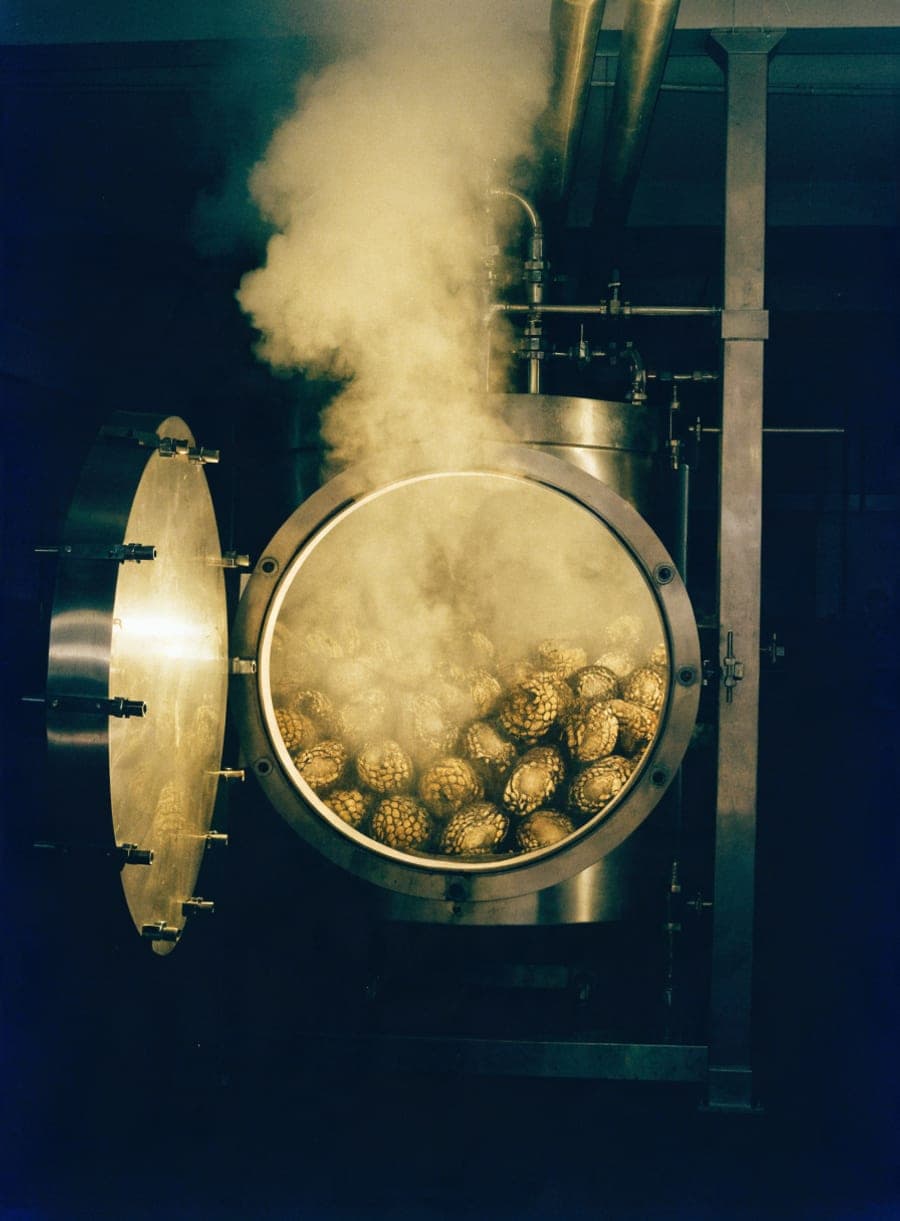
Every tequila begins the same way: cooked agave, fermented and distilled into a bright, clear spirit. What happens next, and how long it takes, is the whole story. The aging spectrum is simply a measure of time in oak.
What is the difference between Blanco, Reposado, and Añejo tequila?
Blanco, Reposado, and Añejo are three classes of tequila separated by time spent in oak barrels. Blanco is bottled unaged or rested less than two months, Reposado is aged between two and twelve months, and Añejo is aged between one and three years. A fourth class, Extra Añejo, is aged longer than three years.
How long is tequila aged?
Tequila's aging time is set by the class printed on the label. Blanco (also sold as Silver) is unaged or rested under two months, Reposado is aged two to twelve months, Añejo is aged one to three years, and Extra Añejo is aged more than three years, all of it in oak.
- ·Blanco or Silver: unaged, or rested less than two months.
- ·Reposado: two to twelve months in oak.
- ·Añejo: one to three years in oak.
- ·Extra Añejo: more than three years in oak.
What is Blanco tequila?
Blanco tequila, also labeled Silver or Plata, is tequila bottled at or near distillation with no aging, or with less than two months of rest. With no oak to soften it, Blanco carries the agave itself: bright, mineral, and peppery.
Bottled at or near distillation, Blanco (or Silver) is tequila at its most elemental: bright, mineral, peppery, alive. There's nowhere for a Blanco to hide, which is exactly why it's the truest measure of the spirit. Mar Azul Silver lives here.
What does Reposado mean?
Reposado is Spanish for "rested," and on a tequila label it marks a tequila aged in oak for at least two months and less than a year. The wood softens the agave's edges and lends gentle vanilla, light spice, and a pale gold color.
Rest a Blanco in oak for two months to a year and it becomes Reposado. It's the most versatile point on the spectrum: enough wood to round the spirit out, not so much that the agave disappears behind it. Mar Azul Reposado spends six months in American white oak.
What is Añejo tequila?
Añejo means "aged," and it identifies a tequila held in oak barrels for at least one year and no more than three. The extra time deepens the color toward amber and layers in caramel, honey, and smoke.
One to three years in oak makes an Añejo: deeper amber, richer, layered. This is the sipping end of the spectrum, meant for a slow pour and a quiet hour. Mar Azul Añejo waits eighteen months in Kentucky white oak.
What is Extra Añejo tequila?
Extra Añejo is tequila aged in oak for more than three years, the longest of the four tequila aging classes. Long barrel time gives Extra Añejo the darkest color and the most pronounced caramel, dried fruit, and wood character of any tequila.
Extra Añejo sits at the far edge of the spectrum, a category built for collectors and for the very end of an evening. The trade-off is the one every barrel makes: the longer the wood speaks, the quieter the agave gets.
Which tequila is best for sipping and which is best for cocktails?
Blanco tequila is the usual choice for cocktails, since its bright citrus and pepper notes cut through lime, grapefruit, and soda. Añejo and Extra Añejo are generally poured neat for sipping, while Reposado sits comfortably in either role.
There's no single "best" point on the spectrum, only the one that fits the moment. Bright afternoon? Reach for Blanco. Slow evening? Añejo. Our Reserva trio is built to cover all three.
Common questions
- What does 100% agave mean on a tequila label?
- 100% agave means every fermentable sugar in the bottle came from Blue Weber agave. A tequila labeled only "tequila," known as a mixto, may take as little as 51 percent of its sugars from agave, with the rest coming from other sources.
- Is Silver the same thing as Blanco?
- Yes. Silver, Blanco, and Plata are three names for the same class of tequila: clear, unaged or rested less than two months, and bottled at or near distillation. Mar Azul sells its unaged expression as Silver.
- Does older tequila mean better tequila?
- Not necessarily. Longer aging adds oak, color, and caramel character, but it also covers more of the agave, so an Añejo is not automatically finer than a Blanco. The better bottle is the one suited to how it will be drunk.
- What kind of barrels is tequila aged in?
- Tequila is aged in oak barrels, and American white oak previously used for bourbon is among the most common choices because it lends vanilla and caramel notes. Mar Azul rests its Reposado for six months in American white oak and its Añejo for eighteen months in Kentucky white oak.
- Where can tequila legally be made?
- Tequila may only be produced in the Mexican state of Jalisco and in specified municipalities of Guanajuato, Michoacán, Nayarit, and Tamaulipas, and it must be made from Blue Weber agave. The Consejo Regulador del Tequila (CRT) verifies that producers meet the official standard.
- What is the difference between tequila and mezcal?
- Tequila must be made from Blue Weber agave within a defined region centered on Jalisco. Mezcal can be made from many agave varieties across a wider set of Mexican states, and its agave is commonly roasted in earthen pits, which is where its smoky character comes from.